
Standing Water Removal
Water Extraction and Removal in Eagle Mountain
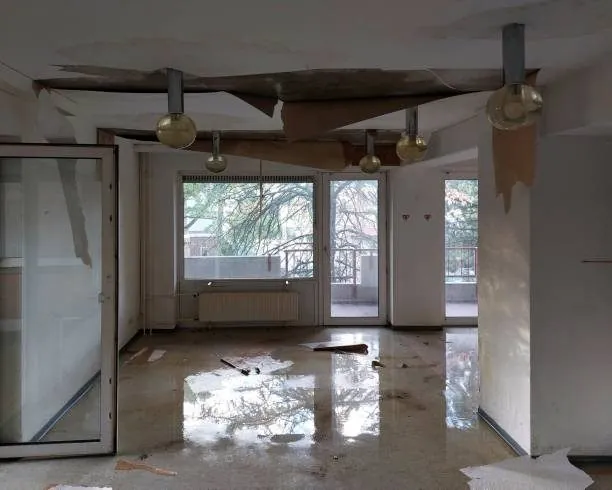
Address standing water before it causes additional property damage.
Professional Water Extraction and Removal
Standing water can quickly affect flooring, furniture, drywall, and other building materials. Even a relatively small plumbing leak can leave enough water behind to create a larger moisture problem if it is not removed properly. Water extraction and removal focuses on eliminating accumulated water and preparing the affected area for cleanup and drying.
The appropriate extraction method depends on the depth of the water, the type of flooring, the affected space, and the source of the water. Eagle Mountain Utah Water Damage Restoration Services helps property owners understand why extraction matters and how it fits into the wider restoration process.
Eagle Mountain Utah Water Damage Restoration Services Is Proud to Serve Utah
Water Extraction Methods and Considerations
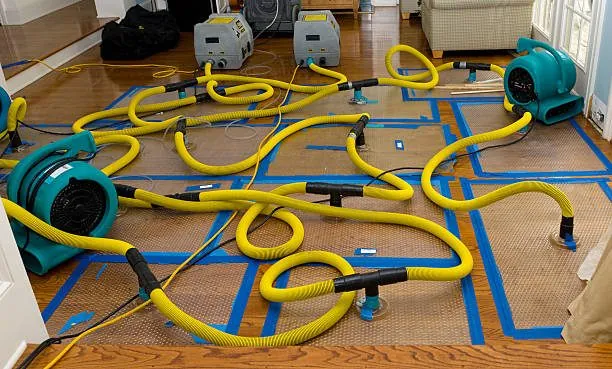
Water extraction is selected according to the physical conditions of the property. Open floor areas, carpeted rooms, basements, and concealed spaces can all require different approaches.
Standing Water Pumping
Pumping equipment can remove larger accumulations of water from flooded basements, utility rooms, and other affected spaces where water depth makes other methods impractical.
Floor Surface Extraction
Specialized extraction equipment removes water from hard surfaces and other accessible flooring areas. The process helps reduce the amount of water available to soak into surrounding materials.
Carpet and Padding Extraction
Carpeted spaces may hold water within the carpet fibers and padding. Their condition and the type of water involved determine whether extraction and drying are appropriate.
Water Removal From Affected Spaces
Water can collect around cabinets, appliances, and other obstacles. The extraction plan should account for accessible areas and potential moisture beneath or behind fixtures.
Preparation for Drying
Once standing water has been removed, the affected environment can be evaluated for air movement and dehumidification requirements.
Why Choose Us for Water Extraction And Removal?
Appropriate removal methods
The removal approach should match the volume of water and the type of affected surface.
Awareness of surrounding materials
Removing visible water is only one part of the job. Moisture that remains in nearby materials needs consideration.
A clear next-step plan
Extraction should prepare the property for the necessary cleanup and drying stages.
Contact Us Today for an Estimate
Standing water needs attention. Contact us to discuss water extraction and removal for your Eagle Mountain property.
Our Water Extraction Process
Evaluate the water
Consider the water source, depth, affected surfaces, and potential contamination before selecting an extraction method.
Prepare the affected area
Identify safety concerns and determine which belongings or obstacles can be moved without causing additional damage.
Extract accumulated water
Use suitable equipment to remove standing water from accessible affected spaces.
Check surrounding materials
Evaluate flooring, baseboards, walls, and other nearby materials for retained moisture.
Plan the drying stage
Determine whether air movement, dehumidification, or further inspection is necessary after extraction.
Water Extraction And Removal Questions
Can I use a household wet vacuum to remove floodwater?
A suitable wet vacuum may help with a small amount of clean water when conditions are safe. It should not be used where electrical hazards or contaminated water are present, and larger flooding incidents may require specialized extraction equipment.
Does removing standing water mean the property is dry?
No. Water can remain inside flooring, drywall, insulation, and other building materials after visible water has been removed. Additional drying and moisture evaluation may be necessary.
Can water be extracted from underneath carpet?
Water extraction equipment can remove some moisture from carpet and padding, but the appropriate approach depends on the material and water category. Contaminated or severely affected materials may require removal.
What should I do while waiting for water extraction?
Avoid electrical hazards and do not enter unsafe standing water. If possible, stop the water source safely, protect unaffected belongings, and document the damage.