
Professional Moisture Control
Structural Drying and Dehumidification in Eagle Mountain
Address moisture that remains inside building materials after water removal.
Structural Drying and Dehumidification for Water-Affected Buildings
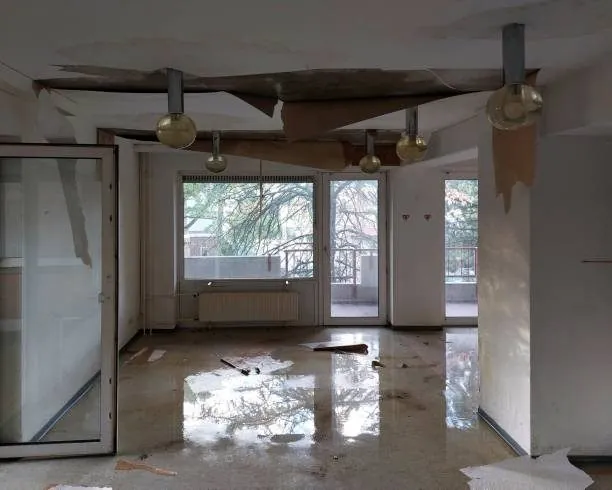
Removing visible water does not necessarily mean that a property is dry. Moisture can remain inside drywall, wood framing, flooring, insulation, and other building materials long after a surface looks normal. Structural drying and dehumidification focuses on reducing this retained moisture and helping affected spaces return to suitable conditions.
Eagle Mountain Utah Water Damage Restoration Services helps property owners understand why drying equipment, moisture measurements, and follow-up checks matter after a water incident. The correct drying plan depends on the materials involved, the extent of the damage, and the environmental conditions inside the property.
Eagle Mountain Utah Water Damage Restoration Services Is Proud to Serve Utah
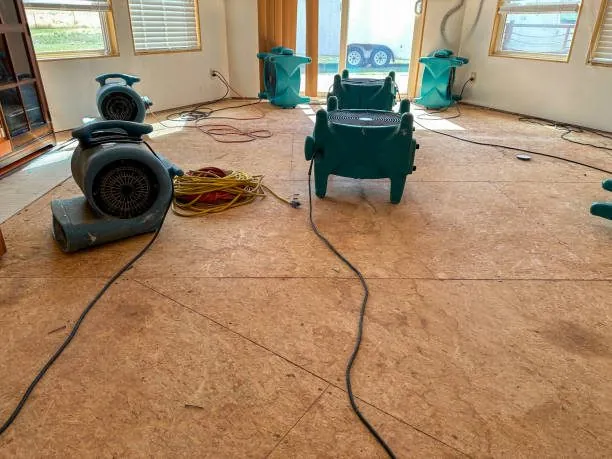
Structural Drying and Moisture Control Services
Effective drying considers the relationship between the building materials, indoor humidity, airflow, and the original source of water.
Air Movement
Appropriate air movement helps moisture evaporate from exposed surfaces and affected materials. Equipment placement depends on the room layout and drying requirements.
Dehumidification
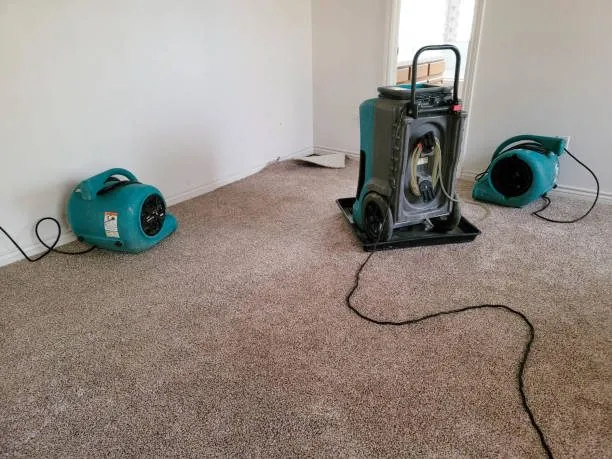
Dehumidification removes water vapor from indoor air, helping maintain conditions that support moisture evaporation from affected materials.
Moisture Measurements
Moisture evaluation helps identify which materials remain wet and whether additional drying is needed. Measurements can be compared during follow-up checks.
Concealed Space Evaluation
Wall cavities, spaces beneath flooring, cabinets, and other enclosed areas may require additional attention because moisture can remain hidden.
Drying Progress Monitoring
Follow-up evaluations help determine whether moisture conditions are improving and whether the drying equipment or plan needs adjustment.
Why Choose Us for Structural Drying And Dehumidification?
Focus on actual moisture conditions
A surface that feels dry may still have moisture beneath it. Drying decisions should be based on appropriate evaluation.
Understanding building materials
Different materials absorb, retain, and release moisture at different rates, so the drying approach should account for the affected construction.
A measured process
Monitoring helps establish whether drying is progressing instead of relying on an arbitrary amount of time.
Contact Us Today for an Estimate
Concerned about moisture remaining in your property? Discuss structural drying and dehumidification with us.
Our Structural Drying Process
Identify wet materials
Evaluate the affected rooms and identify materials that may have absorbed or retained water.
Establish drying conditions
Consider room temperature, humidity, airflow, and the type of construction involved.
Position drying equipment
Use suitable air movement and dehumidification equipment based on the affected spaces and materials.
Monitor moisture levels
Repeat evaluations help determine whether materials are responding to the drying process.
Confirm drying progress
Assess whether the affected materials have reached appropriate moisture conditions before moving into repair work.
Structural Drying And Dehumidification Questions
Why is a dehumidifier needed after water extraction?
Water extraction removes standing water, but moisture can remain in the air and building materials. Dehumidification helps remove water vapor from indoor air and supports continued drying.
Can I dry a water-damaged wall with a household fan?
A household fan may help move air across an exposed surface, but it cannot establish whether moisture remains inside a wall cavity. Hidden water may require inspection and a more controlled drying approach.
How do professionals know when structural drying is complete?
Moisture readings and environmental measurements help evaluate drying progress. The affected materials should be assessed rather than relying only on appearance or touch.
Can structural drying prevent mold growth?
Prompt and appropriate drying helps reduce the conditions that support mold growth. It does not replace necessary remediation when microbial growth is already present.