
Eagle Mountain, Utah Water Damage Help
Water Damage Restoration in Eagle Mountain, UT
Get help understanding your water damage and the restoration process. Get a Free Estimate
Water Damage Restoration for Eagle Mountain Homes and Properties
Water damage can affect a property in a matter of minutes. A leaking supply line, overflowing appliance, damaged water heater, or unexpected flood can leave water across floors, behind walls, and underneath materials that are difficult to inspect. Even when the visible water appears manageable, moisture can continue spreading into surrounding building materials. Eagle Mountain Utah Water Damage Restoration Services helps property owners understand the steps involved in restoring areas affected by unwanted water.
Our Water Damage Restoration services cover the main stages of recovery, including water extraction and removal, flood cleanup, burst pipe water damage restoration, basement flooding cleanup, and structural drying and dehumidification. We understand that every property has different construction details and that the correct response depends on where the water originated, how long it remained, and which materials became wet. Our goal is to make the process easier to understand, from the initial assessment through the final drying considerations. If your Eagle Mountain property has experienced a water emergency, contact us to discuss the situation and available next steps.
A Practical Approach to Water Damage Recovery
We believe water damage restoration should start with understanding the actual problem rather than making assumptions based on what can be seen. Water can travel along flooring, enter wall cavities, collect beneath cabinets, and reach insulation or other concealed materials. A successful restoration plan needs to consider these hidden areas as well as the obvious damage.
Our approach is centered on communication, careful attention to affected materials, and a clear explanation of the work involved. We want Eagle Mountain property owners to understand why water needs to be removed, why drying equipment may be necessary, and what can happen when moisture remains trapped. From a small plumbing leak to a significant basement flood, we focus on helping customers make informed decisions about their property.
More about us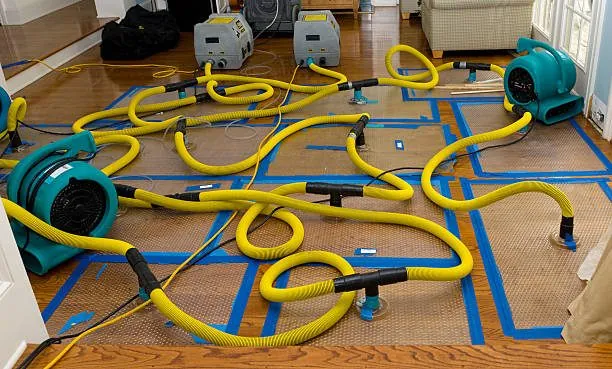
Our Services
We provide information and restoration support covering water damage restoration, water extraction and removal, flood cleanup, burst pipe water damage, basement flooding cleanup, and structural drying and dehumidification. Each service addresses a different part of the recovery process, and the right combination depends on the source and extent of the water damage.
Water Damage Restoration
Restore water-affected areas through careful assessment, water removal, cleanup, and structural drying.
Learn more →Water Extraction And Removal
Remove standing water from affected floors, basements, and other areas before moisture spreads further.
Learn more →Flood Cleanup
Address flood-related water, affected surfaces, debris, and moisture throughout your property.
Learn more →Burst Pipe Water Damage
Address water damage from ruptured pipes, leaking plumbing connections, and unexpected supply-line failures.
Learn more →Basement Flooding Cleanup
Remove basement water and address moisture affecting lower-level flooring, walls, storage, and finished spaces.
Learn more →Structural Drying And Dehumidification
Reduce retained moisture in affected building materials through controlled air movement and dehumidification.
Learn more →Where We Serve You
Eagle Mountain is our primary service location, and we also serve nearby Utah County communities. Our service area includes Saratoga Springs, Lehi, Cedar Valley, American Fork, and Alpine. These communities have different housing styles, property layouts, and neighborhood conditions, so water damage concerns can vary from one address to another.
Whether you own a newer home in a growing subdivision, an established property near a historic town center, or a larger home closer to the foothills, water intrusion deserves prompt attention. We help property owners understand the restoration considerations relevant to their location and the type of building involved. Contact us to discuss service availability for your property.
See all service areasWhy Choose Eagle Mountain Utah Water Damage Restoration Services?
A focused restoration approach
We concentrate on water damage and the steps needed to address it, including extraction, cleanup, drying, and moisture-related concerns.
Clear explanations
Water damage can be confusing. We explain the different stages of restoration so you can understand what your property needs and why.
Attention to hidden moisture
Visible water is only part of the picture. We recognize the importance of considering wall cavities, flooring layers, cabinets, and other concealed spaces.
Knowledge of local property conditions
We understand that Eagle Mountain and surrounding Utah County communities include a mixture of newer subdivisions, established homes, and properties with different drainage and construction characteristics.
Practical next steps
We help property owners understand what to consider after a leak or flood, including safety, water removal, documentation, and drying.
How Water Damage Restoration Works From the First Inspection to Drying
Water damage restoration involves more than removing water from a visible floor. The process needs to address the source of the water, the affected materials, the amount of moisture present, and the possibility that water has traveled beyond the original leak or flooding area. Understanding these stages can help property owners make better decisions when something goes wrong.
The first consideration is the source. Water may enter a home through a failed plumbing connection, broken supply line, overflowing appliance, roof opening, drainage problem, or outside flooding. Before restoration can progress, the underlying source needs to be identified and controlled. A continuing leak can undermine cleanup efforts and cause additional damage. If the source involves plumbing, electrical systems, or structural safety, the appropriate qualified professional may need to address it.
The next stage is evaluating the affected areas. Restoration planning should account for visible standing water as well as damp flooring, baseboards, wall cavities, insulation, and other materials. The type of water also matters. Clean water from a supply line presents different handling concerns from water containing sewage, outdoor contaminants, or other potentially harmful substances. Property owners should avoid direct contact with contaminated water and keep people and pets away from unsafe areas.
Water extraction removes standing water using appropriate equipment. Depending on the situation, this may involve pumps, extraction machines, and other specialized tools. Once the bulk water is removed, cleanup and drying become important. Wet materials can retain moisture long after a surface appears dry. Air movement and dehumidification help remove moisture from the surrounding environment and building materials.
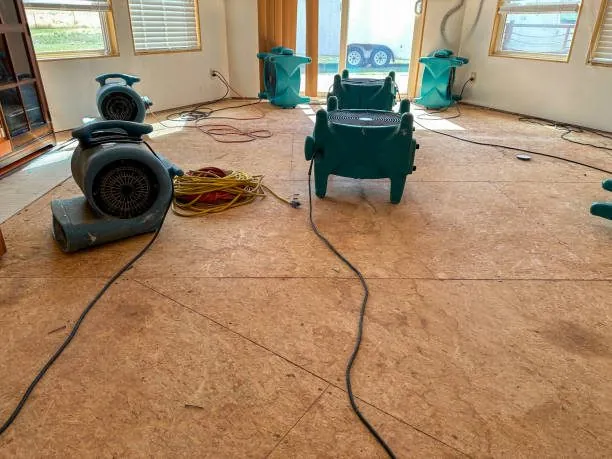
The final consideration is whether the affected areas have reached suitable drying conditions. Drying should be assessed rather than judged only by appearance. Moisture measurements and repeat inspections can help identify areas that still need attention. The overall duration depends on the original water volume, material types, access to affected spaces, and environmental conditions. A careful process helps reduce the chance of unresolved moisture becoming a longer-term property problem.
Signs Your Eagle Mountain Property May Need Water Damage Restoration
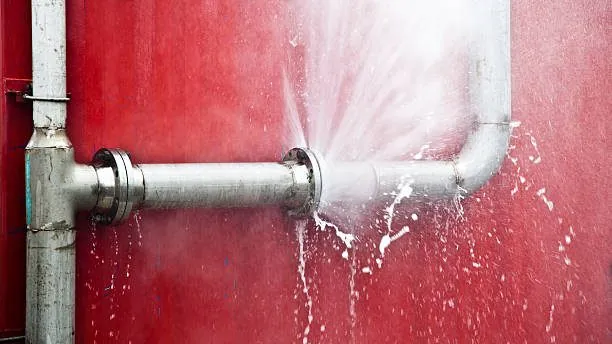
Some water damage is obvious. A flooded basement, burst pipe, or overflowing washing machine can leave visible water across a large area. Other problems develop quietly, and property owners may not realize that moisture is present until secondary signs begin to appear. Recognizing these warning signs can help prevent a manageable leak from becoming a more extensive restoration concern.
One common indication is a change in flooring. Carpet may feel damp, hardwood can begin to cup or warp, laminate may swell at the edges, and tile surfaces may develop signs of moisture in nearby grout or surrounding materials. A floor does not need to be visibly flooded to have water underneath it. Moisture can travel beneath flooring and collect in spaces that cannot be checked through a simple visual inspection.
Walls and ceilings can also provide clues. Look for discoloration, bubbling paint, peeling finishes, soft drywall, swollen baseboards, or unexplained stains. A ceiling mark may indicate a plumbing leak from above, while a damp wall near a bathroom or kitchen could point toward a fixture or supply connection. These symptoms do not always reveal the original source, so investigating the surrounding area is important.
Unusual smells are another reason to investigate. A persistent musty odor may indicate moisture in carpeting, cabinets, insulation, or wall cavities. If an area smells damp even after cleaning, there may be a hidden source that has not been addressed. Condensation alone can sometimes create moisture concerns, but an unexplained smell should not automatically be dismissed as normal household humidity.
Eagle Mountain homeowners should also pay attention after periods of heavy rain, snowmelt, or unexpected plumbing failures. Water can enter through vulnerable openings, foundation areas, poorly managed drainage, and damaged exterior components. Properties with lower-level living spaces may have particular concerns if water collects near the foundation.
If you notice any of these signs, consider documenting the affected areas and investigating the source before attempting extensive repairs. Avoid disturbing materials that may be contaminated. A proper evaluation can help determine whether the problem requires extraction, targeted drying, material removal, or additional building repairs.
What Influences the Scope of a Water Damage Restoration Project?
No two water damage situations are exactly alike. A small leak beneath a kitchen sink may affect a limited cabinet area, while a broken pipe inside a wall can spread moisture across several rooms before the problem becomes visible. The amount and type of work required depend on several practical factors, which is why a property-specific evaluation is more useful than relying on a general estimate.
The first factor is the source and category of water. Water from a clean supply line is different from water that has passed through soil, outdoor drainage, or sewage systems. The latter situations can involve additional contamination precautions and may require removal of affected porous materials. The source also determines whether the problem is likely to continue. A leaking pipe that remains active needs to be repaired before restoration can be considered complete.
The affected area is another consideration. The visible size of a wet spot may not match the true extent of the moisture. Water can move beneath floor coverings, through framing, and into adjacent rooms. A larger affected area generally requires more inspection, extraction, and drying work. Access can also influence the restoration plan. Moisture beneath built-in cabinets or inside enclosed wall assemblies can be harder to reach than water on an open concrete floor.
Material types make a difference. Carpet, padding, drywall, wood flooring, insulation, concrete, and structural framing respond differently to water exposure. Some materials may be candidates for drying, while others may need removal if they are contaminated, damaged, or unable to be adequately restored. The amount of time materials have remained wet is another important consideration.
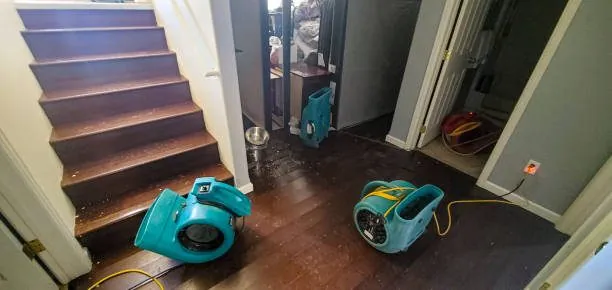
Environmental conditions also affect the process. Temperature, indoor humidity, airflow, outdoor weather, and the building's ventilation all influence how quickly moisture can be removed. Equipment placement and the ability to isolate affected spaces may be relevant as well.
Property owners should ask for an explanation of the proposed scope before work begins. Understanding which areas are affected, what equipment is needed, whether materials require removal, and how drying will be evaluated makes it easier to compare recommendations. A clear scope should explain the actual conditions rather than rely on assumptions or unsupported guarantees.
Water Damage Risks Around Eagle Mountain and Utah County
Eagle Mountain has a distinctive setting within Cedar Valley, with residential areas spread across a broad landscape near the Oquirrh Mountains. The local environment and the way neighborhoods have developed can create different property maintenance considerations. Water damage is not limited to older homes or major weather events. A plumbing connection, appliance, water heater, or drainage issue can affect a property of almost any age.
Many Eagle Mountain homes are part of relatively recent residential development. Newer construction can include modern plumbing systems, finished basements, attached garages, and multiple bathrooms. These features provide convenience, but they also mean that a leak may affect finished spaces, cabinetry, flooring, and wall assemblies. A small failure behind a finished wall may remain unnoticed until a stain, odor, or flooring change becomes visible.
The city's wide geographic footprint also means properties may have different surroundings and drainage patterns. A home near an open area may experience different runoff conditions from one surrounded by established landscaping and paved surfaces. During periods of rain or snowmelt, property owners should pay attention to how water moves around the foundation. Downspout placement, grading, drainage outlets, and exterior openings are all worth checking as part of routine maintenance.
Seasonal temperature changes are another consideration. Cold weather can increase the risk of frozen plumbing in vulnerable locations, particularly where pipes are exposed to cold air or located in poorly insulated spaces. Garages, exterior walls, crawl spaces, and utility areas deserve attention during freezing conditions. If a pipe freezes or ruptures, shutting off the water supply when safe and arranging proper plumbing repairs are important first steps.
The same general concerns apply across Utah County, although property layouts and neighborhood development patterns vary. Saratoga Springs includes newer residential areas near Utah Lake, while Lehi has both historic housing and expanding subdivisions. American Fork contains established homes alongside newer development, and Alpine has a mixture of spacious properties and foothill settings.
Understanding the local setting helps property owners ask better questions about drainage, plumbing, basement exposure, and moisture management. Regular maintenance can reduce avoidable problems, but unexpected water damage still happens. When it does, identifying the source and addressing moisture promptly are the most useful priorities.
Choosing a Water Damage Restoration Company and Preparing for the Work
Choosing a water damage restoration provider is an important decision because the quality of the assessment can affect everything that follows. Property owners may be dealing with a stressful situation, especially when the damage involves personal belongings, finished living spaces, or an active leak. Taking a few practical steps can help make the process more organized.
Start by asking how the affected area will be evaluated. A useful assessment should consider the visible damage and the possibility of moisture in adjacent spaces. Ask which materials are affected, how the source of water will be addressed, and what inspection methods will be used. If moisture measurements are part of the process, ask how the readings will influence equipment placement and the decision to stop drying.
It is also important to understand how water will be removed. Different situations call for different extraction methods. A shallow amount of water on a hard floor does not necessarily require the same approach as water throughout a basement or underneath carpet. Ask whether the proposed work includes standing-water removal, cleanup, drying, and follow-up evaluation, or whether some of those stages require separate arrangements.
Communication matters throughout restoration. You should know which areas will be accessed, whether furniture or belongings need to be moved, whether building materials may need removal, and what interruptions to normal household use are expected. Ask for written explanations of the proposed work and keep records of important conversations. If you plan to make an insurance claim, photograph the damage and retain relevant documents. Coverage varies by policy, so contact your insurer before assuming that a particular cause of water damage is covered.
Before restoration begins, prioritize safety. Do not enter standing water if electrical equipment or outlets may be affected. Avoid handling sewage-contaminated water, and do not operate damaged electrical appliances. If the building appears structurally unsafe, keep clear and seek appropriate emergency assistance.
A reliable restoration discussion should leave you with a better understanding of the problem, the work being proposed, and the remaining questions. Be cautious of guarantees about insurance payments, claims that every material can be saved, or recommendations that do not explain why work is necessary.
At Eagle Mountain Utah Water Damage Restoration Services, we believe customers deserve understandable information and practical guidance. Whether the problem begins with a plumbing failure or an unexpected flood, the goal should be a controlled restoration process that addresses both visible damage and hidden moisture.
What People Ask Us
How quickly should I address water damage in my Eagle Mountain home?
You should address unwanted water as soon as it is safe to do so. Standing water and trapped moisture can damage building materials and create conditions that support microbial growth. Stop the source if possible, avoid unsafe areas, and arrange an appropriate assessment.
Does water damage restoration include mold prevention?
Proper water removal and drying help reduce conditions that support mold growth. However, restoration does not automatically guarantee that mold will never develop. Existing microbial growth or contaminated materials may require separate evaluation and remediation.
Will my homeowners insurance cover water damage restoration?
Coverage depends on your policy, the cause of the damage, and any applicable exclusions. Sudden accidental plumbing failures may be treated differently from gradual leaks, flooding, or neglected maintenance. Contact your insurance provider to confirm your coverage.
Can water damage be hidden behind walls and under floors?
Yes. Water can move through wall cavities, beneath flooring, and into insulation or other concealed materials. Moisture inspection can help identify areas that a normal visual check would miss.
How long does water damage restoration take?
The timeline depends on the amount of water, the materials affected, the source, and the environmental conditions. Some projects require only localized drying, while others need more extensive extraction, material removal, and follow-up inspections.
Contact Us Today for a Free Estimate
Concerned about water damage in Eagle Mountain? Contact us at [email protected] to discuss your property and the restoration process.
Free, no obligations