
Lower-Level Water Damage
Basement Flooding Cleanup in Eagle Mountain
Protect your lower-level spaces by addressing basement water and hidden moisture.
Basement Flooding Cleanup for Eagle Mountain Homes
A flooded basement can affect far more than the floor. Water may damage finished walls, carpet, furniture, storage items, insulation, and electrical systems. Even a small amount of water can create problems if it reaches concealed spaces or remains trapped beneath flooring.
Basement flooding cleanup starts with understanding why water entered the lower level. Possible causes include plumbing failures, water heater leaks, foundation openings, drainage problems, and exterior runoff. Eagle Mountain Utah Water Damage Restoration Services helps property owners understand the water removal, cleanup, and drying considerations involved in restoring a flooded basement.
Eagle Mountain Utah Water Damage Restoration Services Is Proud to Serve Utah
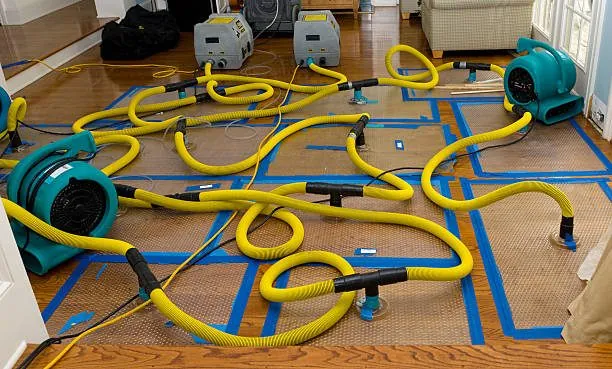
Basement Flooding Problems We Address
The correct cleanup approach depends on the entry point, the amount of accumulated water, and whether the basement is finished or unfinished.
Finished Basement Water Damage
Water can affect carpet, padding, baseboards, drywall, furniture, and other finished materials. Each material needs to be evaluated according to exposure and condition.
Unfinished Basement Flooding
Utility areas, storage spaces, concrete floors, and exposed framing can collect water. The location of mechanical equipment and electrical systems needs careful consideration.
Foundation and Drainage Intrusion
Water entering near foundation walls may indicate exterior drainage problems, damaged openings, or other pathways that require investigation.
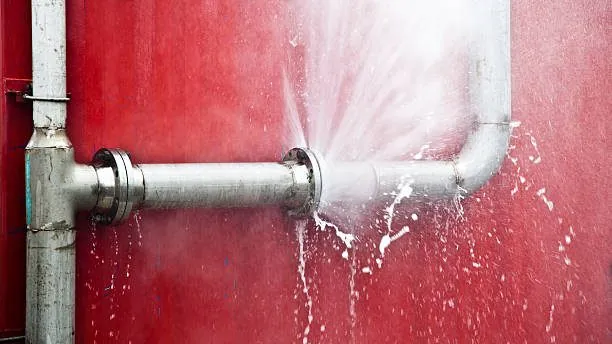
Water Heater and Plumbing Leaks
Failed water heaters, supply lines, and plumbing connections can release water into basement utility areas and nearby finished rooms.
Basement Structural Drying
Basement walls, floors, framing, and enclosed spaces may retain moisture after standing water is removed. Appropriate drying and follow-up evaluation can help address this issue.
Why Choose Us for Basement Flooding Cleanup?
Understanding basement construction
Finished and unfinished basements have different materials and access requirements, which influence the cleanup plan.
Attention to entry points
Water removal should be accompanied by consideration of the plumbing, drainage, or exterior condition that allowed water to enter.
Protection of lower-level spaces
We recognize the importance of evaluating flooring, walls, storage areas, and concealed spaces after basement flooding.
Contact Us Today for an Estimate
Water in your basement needs careful attention. Contact us to discuss basement flooding cleanup in Eagle Mountain.
Our Basement Flooding Cleanup Process
Assess basement safety
Check for electrical hazards, contamination, and other risks. Keep people away from unsafe water.
Find the water source
Consider plumbing failures, water heaters, foundation openings, drainage systems, and outside runoff.
Remove accumulated water
Use appropriate extraction methods based on the depth of water and the basement layout.
Evaluate finished materials
Inspect flooring, drywall, baseboards, insulation, and belongings to determine what can be cleaned or dried.
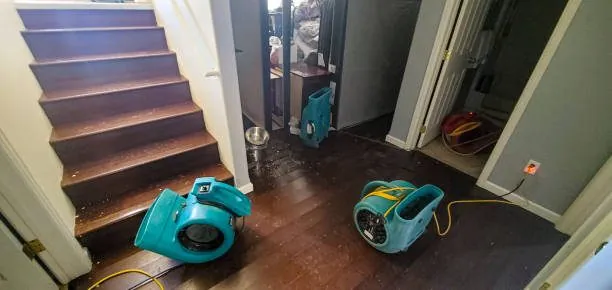
Dry and monitor the basement
Address retained moisture and evaluate affected materials before moving into repair and rebuilding work.
Basement Flooding Cleanup Questions
Why does my Eagle Mountain basement flood after heavy rain?
Possible causes include poor surface drainage, foundation openings, blocked drainage systems, and water collecting against exterior walls. Identifying the entry point is important for reducing repeat flooding.
Can basement carpet be saved after flooding?
It depends on the water category, exposure time, carpet construction, and padding condition. Carpet exposed to contaminated water may need to be discarded rather than cleaned.
Should I run my basement furnace after flooding?
Do not operate heating or electrical equipment that may have been exposed to water. Have affected systems evaluated by an appropriate professional before using them.
How do I prevent another basement flood?
Maintain gutters and downspouts, direct roof runoff away from the foundation, check exterior grading, and inspect drainage systems. Plumbing and foundation issues should also be corrected when identified.